
Detecting Anomalous Social Patterns: A Case Study in Instagram Interaction Analysis

A friend recently approached me with a vague concern about his partner’s Instagram activity.
He noticed increased phone secrecy but lacked concrete evidence. Instead of confronting her based on feelings, we decided to apply basic OSINT principles to understand the digital footprint objectively.
The goal wasn’t surveillance, but clarity: were these normal social interactions or anomalous patterns warranting concern?
We used IGDetective.com to analyze the target profile without logging in, preserving anonymity and avoiding alerting the subject. The tool allowed us to bypass the algorithmic feed and view raw interaction data: recent likes, comments, and follower changes.
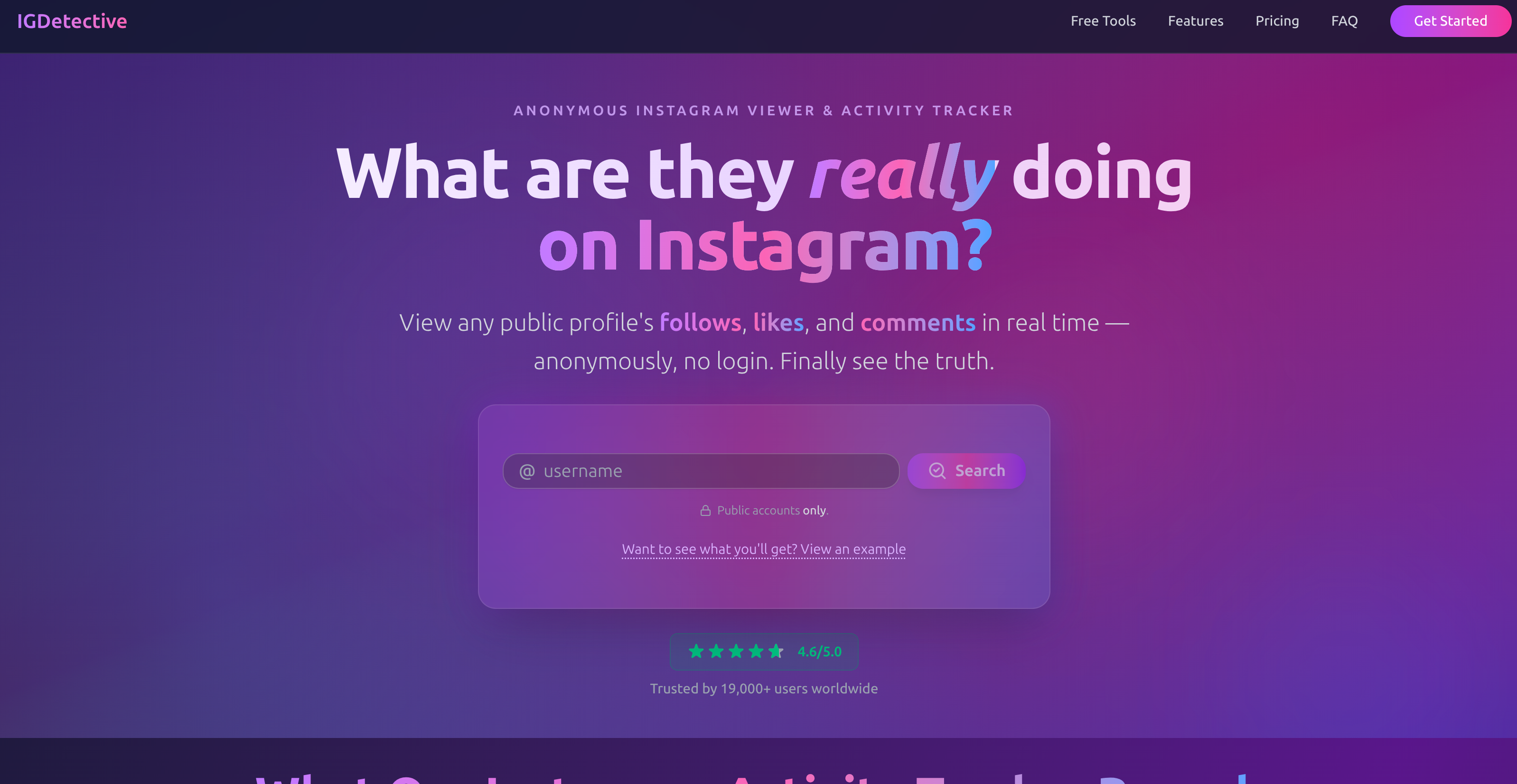
The initial scan revealed no obvious red flags in the public posts.
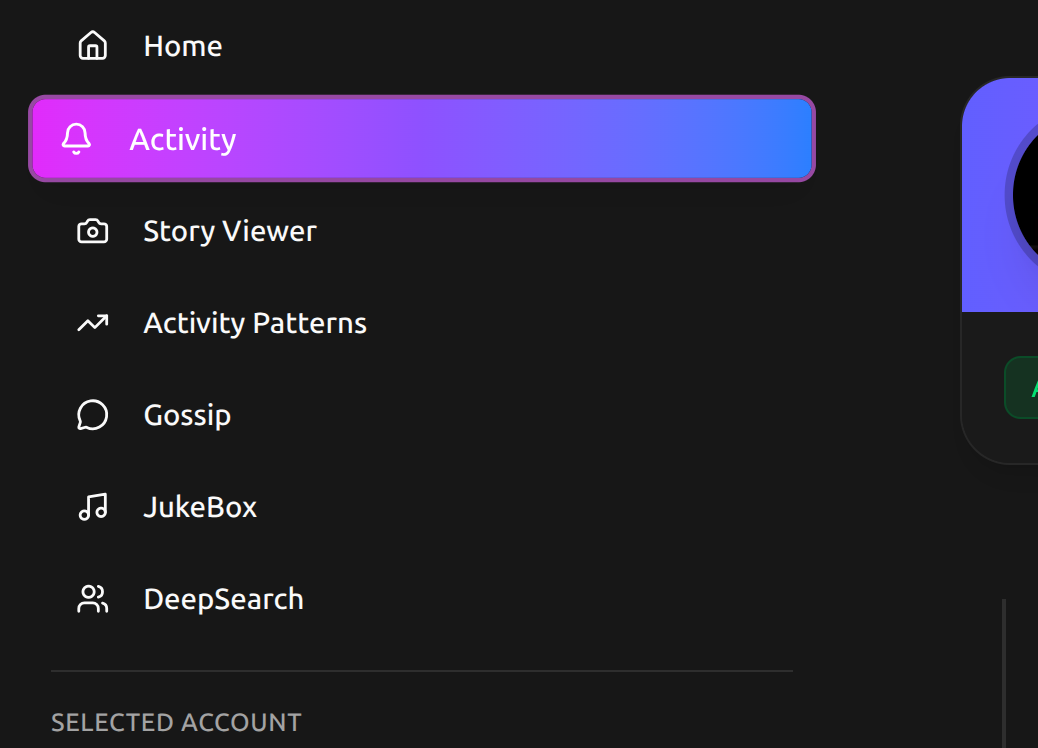
However, the "Recent Activity" module told a different story.
Over a two-week period, the profile had consistently liked and commented on posts from three specific accounts that were not mutual friends.
These accounts were private, but their public snippets showed content unrelated to the subject’s stated interests or professional network.
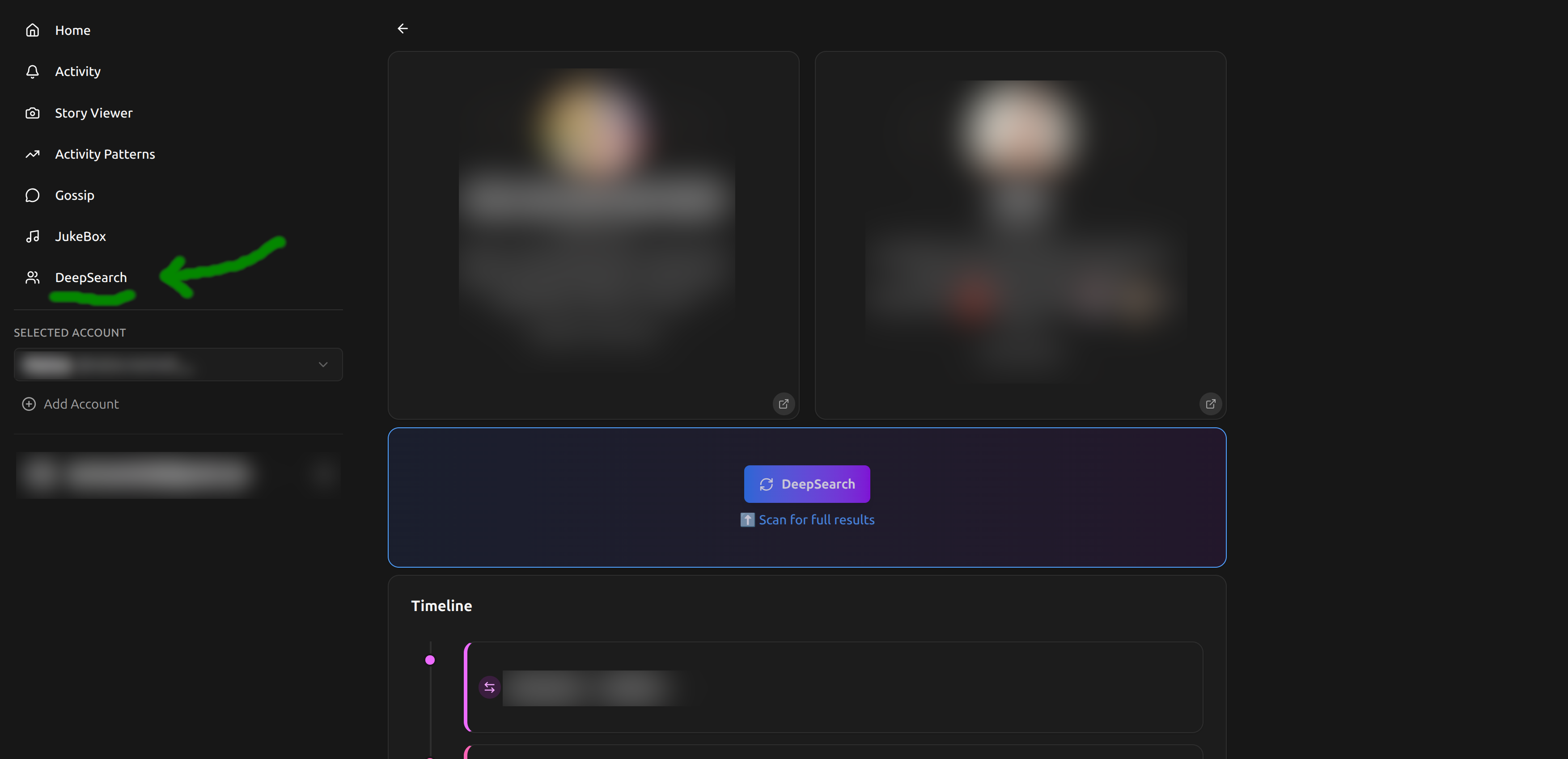
More telling was the timing. Interactions clustered late at night, often within minutes of the posts going live. This immediacy suggested active monitoring rather than casual scrolling. Furthermore, the DeepSearch feature between the subject and one of these accounts revealed a history of reciprocal engagement that predated the current relationship, hidden beneath layers of newer content.
The key insight wasn’t just who she was interacting with, but the pattern. Normal social media use is sporadic and broad. This behavior was focused, timely, and concealed from the immediate social circle. It didn’t prove infidelity, but it confirmed the friend’s intuition that something was off.
This case highlights a crucial aspect of digital investigations: context matters. Tools like IGDetective don’t provide moral judgments; they provide data. They allow you to move from "I feel like something is wrong" to "Here are the observable anomalies."
For personal situations, this approach offers a reality check before emotional confrontations. For professionals, it demonstrates how quickly hidden networks can be mapped using publicly available signals. The lesson? Don’t ignore the metadata of human behavior. Likes and comments are digital breadcrumbs, and when they form a trail away from the expected path, it’s worth following.
In the end, the friend had the clarity he needed to have an honest conversation.
The tool didn’t solve his relationship problems, but it removed the ambiguity that was causing them.